
Elegant Accent Wall Colors for a Harmonious Home

An accent wall is one of the most powerful ways to transform the atmosphere of a home without a major renovation. One wall, one carefully chosen shade or texture — and the entire room begins to tell a different story.

When done well, an accent wall is not just a decorative trick. It becomes part of the home’s rhythm, calmness and personality. It can add depth, define a space, create a cozy atmosphere or highlight the character of a room.

But how do you choose the right color? And how do you avoid a result that feels too cold, harsh or visually overwhelming?

Let’s take a closer look.
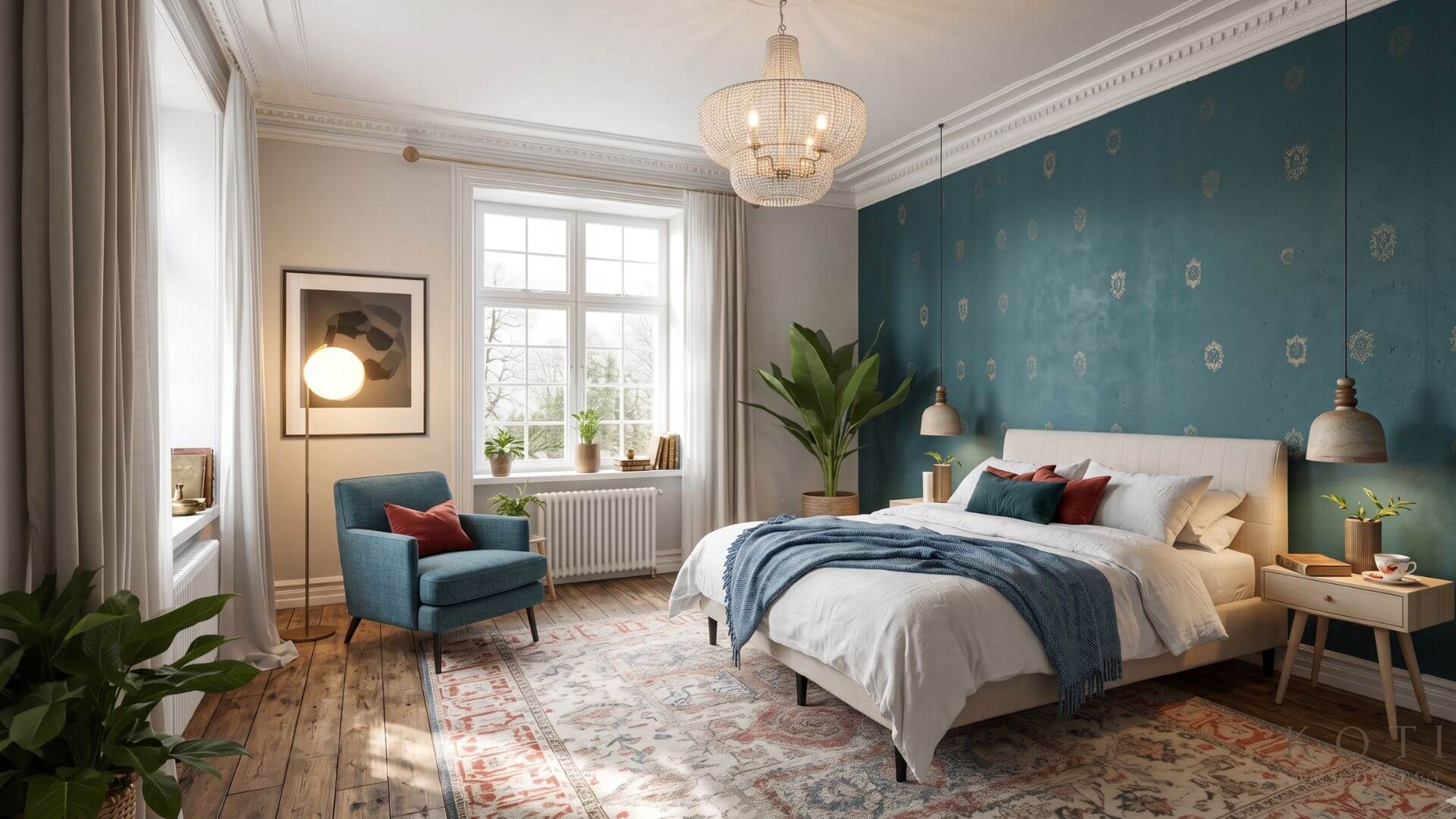
What Is the Purpose of an Accent Wall?

Before choosing a paint color or wallpaper, pause for a moment and ask yourself:

What do I want this wall to do?

An accent wall can:

  • add depth and dimension to a room
  • define areas in an open floor plan
  • create a calm and cozy atmosphere
  • highlight a key feature such as a sofa, bed or dining table
  • bring personality and character into the home

The best accent walls do not demand attention — they invite you to pause and stay awhile.


Dark Grey Accent Wall – Calmness and Elegance

Dark grey is one of the easiest and safest accent wall colors when you want depth without making the room feel heavy. It works beautifully in living rooms, bedrooms and home offices.

When Does Dark Grey Work Best?

  • behind the sofa in the living room
  • as a headboard wall in the bedroom
  • as a calming backdrop in a home office

What Colors Pair Well with Dark Grey?

Dark grey works especially well with:

  • soft white
  • warm off-white
  • light greige or sandy tones

These combinations help avoid harsh contrasts and maintain a harmonious feeling throughout the home.

Mood

Calm, elegant, modern and timeless.


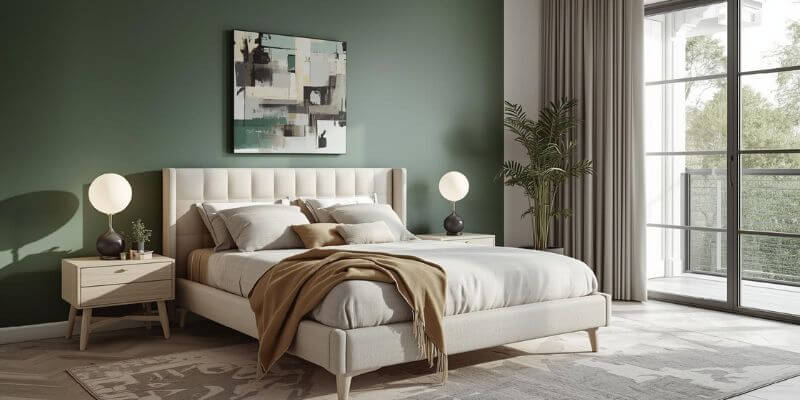
Green Accent Wall – Natural Calmness and Depth

Green is one of the most versatile accent wall colors. It combines nature, calmness and warmth in a beautifully balanced way.

Best Green Shades for Accent Walls

Sage Green, Olive and Moss Green

  • calming and soft
  • perfect for bedrooms and living rooms
  • ideal for natural and peaceful interiors

Forest Green and Deep Green

  • rich and luxurious
  • work best in larger rooms with good lighting
  • create a cozy and cocoon-like atmosphere

Muted Light Green

  • fresh and airy
  • ideal for smaller spaces
  • adds character without overwhelming the room

What Colors Work Well with Green?

Green pairs beautifully with:

  • warm white
  • soft sand tones
  • light grey
  • light wood and linen textures

Blue Accent Wall – Serenity and Depth

Blue brings silence, calmness and depth into a space — much like the surface of a still lake.

Best Blue Shades for Accent Walls

  • muted blue-grey
  • smoky blue
  • deep petrol blue
  • navy blue

Mood

Relaxing, grounding and especially suitable for bedrooms and workspaces.
Best Color Pairings

  • soft white
  • light grey
  • warm wood tones

Avoid overly bright blues, as they can easily feel cold and restless.


Wallpaper Accent Wall – A Pattern That Tells a Story

Wallpaper is the poetic cousin of the accent wall. It does more than add color — it brings rhythm, texture and storytelling into a space.

When Does Wallpaper Work Especially Well?

  • in the hallway to create a memorable first impression
  • in bedrooms with soft botanical patterns
  • in dining rooms to add depth and atmosphere

Tips for Choosing Wallpaper

  • bold wallpaper → keep the other walls calm
  • subtle wallpaper → you can experiment more with surrounding colors

Accent Walls in the Bedroom – Supporting Rest and Recovery

The bedroom is the most sensitive and restorative space in the home. That is why an accent wall in the bedroom should first and foremost support well-being — not just style.

A carefully chosen accent wall can:

  • calm the nervous system
  • support better sleep and recovery
  • create a cozy and sheltered atmosphere
  • frame the bed beautifully without heavy furniture

In most cases, the best location for a bedroom accent wall is behind the bed. It naturally defines the sleeping area and creates a calm focal point for the room.

Accent walls work especially well in bedrooms when combined with soft, sound-absorbing materials.

A large rug underneath or in front of the bed helps complete the atmosphere by:

  • softening footstep noise
  • adding warmth and comfort
  • supporting relaxation in the evenings and mornings

Natural materials and dense textures work especially well because they:

  • absorb sound
  • feel comfortable under bare feet
  • create a cozy and secure atmosphere

Best Bedroom Accent Wall Colors

In bedrooms, muted and nature-inspired shades usually work best:

  • sage green, olive and soft forest green support calmness and recovery
  • smoky blue and muted blue-grey help quiet the mind
  • beige, sand and greige create a timeless and safe foundation
  • soft terracotta adds warmth without visual heaviness

Avoid overly bright, cold or highly saturated colors that may feel too stimulating.

At its best, a bedroom accent wall does not dominate the room — it quietly supports the atmosphere.


Can Different Rooms Have Different Accent Walls?

Absolutely — and in many homes, that is exactly what creates personality and interest.

The most important thing is that:

  • the home still feels cohesive
  • the shades work together naturally
  • the atmosphere flows smoothly from room to room

For example:

  • dark grey in the living room
  • green in the bedroom
  • blue in the home office

How Many Accent Walls Should You Have in a Home?

One simple rule usually works best:

Less is more.

In most homes:

  • 1–3 accent walls are enough
  • smaller homes often need only one or two
  • too many accent walls reduce their impact

Accent Walls Are About Atmosphere — Not Just Decoration

An accent wall is not simply paint on a wall. It is a decision about how you want your home to feel.

It reflects:

  • where you want to relax
  • where you feel inspired
  • what kind of rhythm and atmosphere you want in your home

The most beautiful accent wall is not the trendiest one — it is the one that truly feels like home.


Summary – How to Choose the Right Accent Wall

  • Think about the atmosphere first, then the color
  • Choose muted and natural shades
  • Create the accent on only one wall
  • Consider natural light and room size
  • Choose a color you will enjoy for years to come