
How to Decorate a Harmonious and Stylish Living Room – 8 Practical Ideas
In This Guide
A harmonious living room is more than simply a beautiful space – it is a room that feels calm, balanced, and inviting every day. It is where thoughtful furniture choices, soft textures, warm natural materials, and a carefully chosen color palette come together to create an atmosphere that feels timeless rather than temporary. Whether your style leans modern, Scandinavian, organic, or softly layered, harmony is often what transforms a living room from functional into truly special.
The good news is that creating a stylish and harmonious living room does not require a complete redesign or expensive furniture. Often, the biggest transformation comes from understanding how the main elements of a room work together – your sofa, rug, coffee table, accent seating, lighting, and wall colors. When these pieces feel connected in proportion, texture, and tone, the entire room begins to feel naturally elegant, comfortable, and beautifully cohesive.
In this guide, we’ll explore 8 timeless living room ideas that can help you build a space that feels peaceful, welcoming, and effortlessly stylish. From choosing the right sofa and rug to layering colors, materials, and shapes, these practical design tips will help you create a calm living room design that feels beautiful today and remains timeless for years to come.
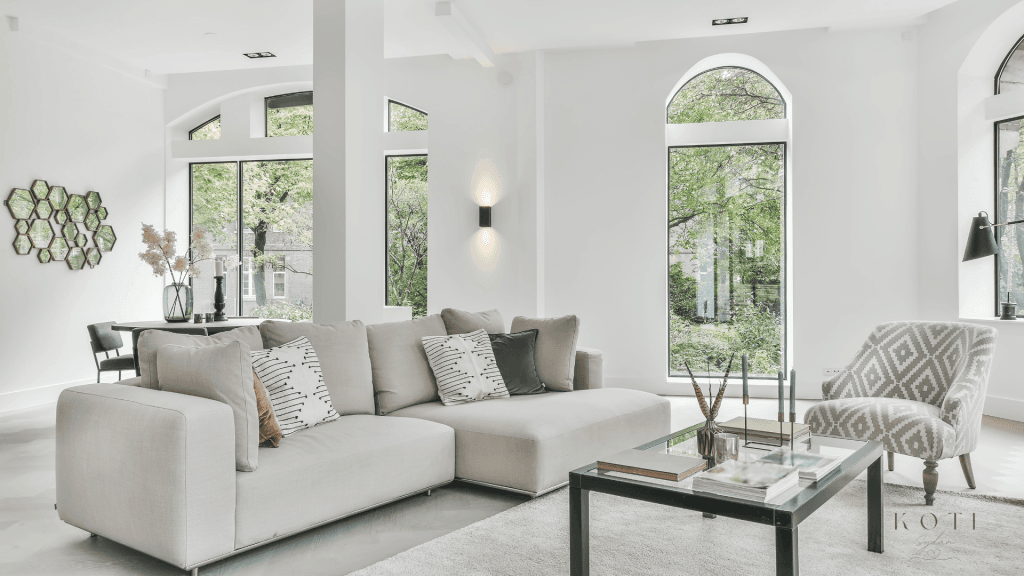
8 Timeless Living Room Ideas
Creating a harmonious living room is rarely about following strict design rules or buying matching furniture sets. More often, it comes down to balance – how color, shape, texture, scale, and materials interact within the space. A room feels calm and timeless when each element supports the next, creating a natural flow rather than competing for attention.
The most beautiful living room ideas often share one thing in common: they feel thoughtfully layered, comfortable, and visually balanced. Whether your home is modern, Scandinavian, classic, or softly organic in style, the same practical principles apply. Start with the main pieces, build a clear visual foundation, and then add warmth, contrast, and personality in carefully chosen layers.
Here are 8 practical decorating ideas that will help you create a living room that feels elegant, welcoming, and beautifully harmonious for years to come.
1. Start with the Sofa – Let Everything Else Build Around It
When decorating a harmonious living room, the sofa is often the most important piece to get right. It is usually the largest furniture item in the room, naturally drawing attention and setting the tone for everything around it. The shape, color, texture, and visual weight of your sofa all influence whether a room feels soft and welcoming, calm and minimal, or rich and layered.
Soft curves and rounded edges tend to create warmth and comfort, while clean lines and lower-profile silhouettes often make a room feel lighter, more modern, and visually balanced. Upholstery also changes the mood dramatically. Bouclé and velvet add softness and quiet luxury, while linen blends, cotton textures, and refined woven fabrics create a more natural and timeless atmosphere that feels effortlessly elegant.
One detail many people overlook is the sofa’s visual weight. Even a light-colored sofa can feel heavy if it has a bulky frame or a solid base that sits close to the floor. By contrast, a deeper-toned sofa can feel airy and refined when raised on elegant legs or designed with a lighter silhouette. This visual balance matters more than color alone.
As a simple rule, the larger the sofa, the more important it becomes to balance it with the right rug size, a thoughtful color palette, and enough breathing room around the furniture. Space itself is part of good design.
If you're looking for inspiration, explore our guide to Best Natural Color Sofas – 6 Beautiful Earthy Tone Sofas for a Calm Home, where we highlight sofa styles that bring warmth, softness, and timeless elegance into modern living spaces.
2. Choose a Rug That Grounds the Room
A beautiful sofa may catch the eye first, but in many interiors, it is the rug that quietly defines the room. The right living room rug creates structure, softens acoustics, adds warmth underfoot, and visually connects the furniture into one cohesive whole. Without that foundation, even a well-designed room can feel scattered or unfinished.
One of the most common decorating mistakes is choosing a rug that is too small. When a rug sits only under the coffee table or floats disconnected from the seating area, the room can feel visually fragmented. A larger rug, by contrast, helps anchor the sofa, chairs, and coffee table together, making the space feel calmer, more balanced, and intentionally designed.
As a practical guideline, a large rug for the living room should ideally extend beneath at least the front legs of your sofa and, whenever possible, stretch slightly wider than the sofa itself. This creates a stronger visual base and helps the seating area feel grounded rather than floating in the room.
Texture matters just as much as size. Plush rugs add softness, warmth, and a cozy atmosphere, while flatter woven wool rugs create a cleaner, quieter, and more timeless look. Natural fibers and softly textured materials often work especially well in a harmonious living room, bringing subtle depth without overwhelming the space.
Color also shapes the mood. If your sofa is light, a rug in earthy tones, warm gray, rust, olive, or muted ochre can add depth and character. If your sofa is darker, a lighter rug in soft beige, ivory, sand, or a subtle pattern can brighten the room and create visual balance.
For inspiration, explore our guide to Best Large Rugs for Living Room – 6 Stylish and Practical Picks, where we highlight rugs that help create a living room that feels beautifully grounded, warm, and effortlessly cohesive.
3. Use Contrast Softly – Create Rhythm with Color
A harmonious living room does not have to mean a room filled with only neutral shades or perfectly matching tones. In fact, some of the most beautiful interiors feel calm precisely because they include gentle contrast. The secret is not avoiding contrast, but using it thoughtfully. Soft contrast creates rhythm, depth, and visual interest without making a room feel busy or overwhelming.
One of the easiest ways to build a balanced living room color palette is by pairing warm and cool tones in a subtle way. A warm greige sofa combined with muted blue accents can feel elegant and quietly sophisticated. A soft beige sofa paired with deep forest green brings natural richness and depth. Earthy terracotta, warm rust, muted ochre, olive green, and dusty blue all work beautifully when layered with softer neutrals.
Texture can also create contrast without relying on bold color. Linen against velvet, wood paired with glass, matte finishes next to soft woven fabrics, or smooth leather combined with wool all add quiet complexity to a room. This layered approach creates a space that feels warm, lived-in, and intentionally designed rather than flat or predictable.
A helpful rule is to keep your larger surfaces calm – such as walls, rugs, and your main sofa – and introduce contrast through smaller details. Accent chairs, cushions, throws, artwork, ceramics, and decorative objects are perfect places to add richer tones, texture, or a slightly deeper color note. These touches bring life into a room while keeping the overall atmosphere soft and balanced.
The most timeless calm living room colors are often inspired by nature – sand, stone, clay, moss green, warm brown, muted blue, soft charcoal, and earthy neutrals. These shades feel grounded, elegant, and easy to live with for years, making them ideal for interiors designed around harmony rather than short-lived trends.
4. Let Wall Colors Tie the Room Together
Wall color is often the quiet foundation of a room. While furniture, rugs, lighting, and decorative details naturally draw attention, the walls create the backdrop that allows everything else to work together. The best living room wall colors do not compete for attention – they gently frame the room, support the furniture, and help create a space that feels calm, cohesive, and beautifully balanced.
One of the most effective ways to build a harmonious color palette is to start with warm neutral wall tones. Soft greige, muted beige, warm ivory, sandy taupe, clay-inspired neutrals, and lightly weathered stone shades all create an elegant base that feels timeless rather than trend-driven. These colors pair beautifully with wood, linen, wool, leather, rattan, and most natural materials, making them especially versatile for a thoughtfully layered living room.
Cooler wall colors can also work beautifully when balanced with warmth elsewhere in the room. A dusty blue-gray wall paired with warm wood furniture creates quiet sophistication. Soft sage green combined with creamy upholstery and natural textures feels calm and organic. Muted olive, smoky blue, and soft earthy green tones are particularly effective in creating calm living room ideas that feel grounded and restorative.
Finish matters just as much as color. Flat or matte paint absorbs light and creates softness, giving walls a quiet, velvety appearance that feels warm and understated. Soft eggshell or satin finishes reflect light gently and can make a room feel brighter and slightly more refined. Even subtle wall texture – such as limewash effects, soft plaster finishes, or textured wallpaper – can add depth and warmth without overpowering the space.
Before choosing a final paint color, always test it in natural daylight, evening light, and artificial lighting. The same shade can feel warm in the morning, cooler in the afternoon, and dramatically different at night. Light changes color more than most people expect – and understanding that difference is often what turns a good room into a beautifully balanced one.
5. Choose a Coffee Table That Completes the Space
A coffee table is much more than a practical surface for books, drinks, candles, or decorative objects. In a well-designed room, it acts as the visual bridge between the sofa, rug, and surrounding furniture, quietly bringing the seating area together. The right living room coffee table adds balance, introduces material contrast, and helps the entire room feel intentional rather than loosely arranged.
Scale is one of the most important things to get right. A coffee table that is too small can make the room feel disconnected, while one that is too large may dominate the space and interrupt the natural flow of movement. As a practical guideline, the best coffee table for a living room is often around 60 to 75 percent of the sofa’s width, with enough space left around it for comfortable movement and a sense of visual openness.
Shape also changes the feeling of a room. A round coffee table softens the space, creates better flow, and works beautifully in smaller living rooms or interiors with softer lines. Rectangular coffee tables feel structured and practical, offering generous surface space for everyday use. Square tables can create a strong visual anchor, especially when paired with sectional sofas or more symmetrical seating arrangements.
Materials add another important layer. Wood introduces warmth and timeless character. Glass can make a room feel lighter and more spacious. Metal adds structure and contrast, while woven textures such as rattan bring softness and natural warmth. Combining materials – such as wood and glass, linen and metal, or stone-look finishes with warm textures – often creates the most visually interesting and balanced result.
When chosen thoughtfully, a coffee table becomes more than furniture – it becomes the quiet centerpiece that connects the room. For inspiration, explore our guide to Best Coffee Table for Living Room – 8 Stylish Ideas for Every Style, where we highlight coffee tables that combine beautiful design with everyday practicality.
6. Add Character with Accent Seating
A beautiful sofa may set the tone for your living room, but accent seating is often what gives the space personality. An armchair, lounge chair, or thoughtfully chosen accent seat can introduce contrast, soften the overall composition, and create a room that feels more layered and complete. In many of the most elegant interiors, it is this secondary seating that quietly adds character and visual rhythm.
The best accent chair for a living room does not necessarily need to match the sofa. In fact, contrast often creates a richer and more interesting result. A deep green armchair paired with a warm neutral sofa can feel grounded and sophisticated. Cognac leather adds warmth and timeless depth. Soft boucle in ivory or oatmeal tones brings texture and quiet luxury. Muted blues, earthy rust, and soft olive tones can all add subtle color while keeping the room harmonious and refined.
Shape matters just as much as color. If your sofa has clean, structured lines, a rounded accent chair can soften the room and create a more welcoming atmosphere. If your sofa is curved or softly shaped, a chair with stronger lines can bring balance and visual structure. This contrast in form often creates the most interesting living room seating ideas, helping a room feel curated rather than overly coordinated.
Materials can also add depth. Wood frames bring warmth and a natural touch. Leather creates richness and character. Boucle, linen, velvet, woven textures, and rattan all introduce softness, texture, and a more layered look. Mixing materials thoughtfully is often what makes a room feel truly lived in and beautifully designed.
Above all, accent seating should feel intentional. It can lighten the visual weight of a larger sofa, create a cozy reading corner, or become a subtle statement piece that completes the seating area. Sometimes, one beautifully chosen chair is all it takes to make a living room feel balanced, welcoming, and full of character.
If you're looking for beautiful accent seating ideas, explore our guide to Best Armchairs for Living Room – 8 Beautiful Picks for Every Style, where we highlight armchairs that bring warmth, comfort, and timeless character into modern living spaces.
7. Build Around Balance, Not Perfection
One of the biggest misconceptions in interior design is the idea that a beautiful room needs to feel perfectly matched. In reality, the most inviting spaces are rarely perfect – they are balanced. A harmonious living room design is not built by choosing furniture from the same collection or coordinating every detail. It is created by finding the right relationship between scale, shape, color, texture, and open space.
A well-designed balanced living room usually has a clear visual foundation. The sofa acts as the anchor, the rug defines the seating area, and a coffee table helps connect everything together. Around that foundation, accent seating, lighting, textiles, artwork, and carefully chosen decorative objects add rhythm and personality. When each piece has a purpose, the room feels thoughtful rather than crowded.
Too many separate pieces – small side tables, decorative accessories, oversized shelving, or furniture placed without a clear visual connection – can easily make a room feel restless. At the same time, a space with only a sofa and a rug may feel unfinished or lacking warmth. The goal is not minimal emptiness or overstyled perfection, but a room that feels complete without feeling heavy.
One practical way to approach living room layout ideas is to think in three layers: a main anchor piece, a grounding element, and a balancing detail. For example, a sofa creates the main visual anchor, a rug grounds the room, and a coffee table or accent chair introduces contrast and rhythm. This simple structure creates natural harmony and makes decorating feel much easier.
Perhaps most importantly, leave room for space itself. Open space allows furniture to breathe, lets natural light move more freely, and gives the room a sense of calm. In many timeless interiors, what is left out is just as important as what is included. That quiet restraint is often what makes a room feel elegant, comfortable, and deeply welcoming.
8. Layer the Room Thoughtfully
Creating a harmonious living room rarely happens by choosing one perfect piece of furniture. More often, it comes from layering the room thoughtfully – allowing colors, textures, shapes, and materials to support one another in a natural and balanced way. The most beautiful interiors feel cohesive because each element contributes quietly to the whole rather than competing for attention.
A simple way to approach living room styling ideas is to start with a clear color palette. Choose one main tone for the walls, one calm neutral for larger furniture such as the sofa, and one accent color that adds depth and personality through smaller details. This third tone might appear in cushions, throws, artwork, ceramics, or an accent chair. Repeating a color softly in different parts of the room helps create visual harmony without making the space feel overly coordinated.
Next, layer in texture. Linen, wool, velvet, boucle, leather, woven materials, glass, stone-inspired finishes, and warm wood all add quiet richness when mixed thoughtfully. A room with subtle material contrast often feels warmer and more inviting than one built entirely around one finish or texture. The key is variety with restraint – enough contrast to create interest, but not so much that the room loses its calm atmosphere.
Scale also matters when layering a room. Mix larger grounding elements with smaller, lighter details. A generous rug, a comfortable sofa, and a balanced coffee table create the visual base, while lighting, side tables, plants, artwork, and decorative objects add depth and rhythm. This layering makes the room feel complete, yet still open and breathable.
Lighting is also one of the most overlooked layers in a harmonious living room. A beautiful floor lamp can soften a corner, create warmth in the evening, and add sculptural balance to the room. For inspiration, explore our guide to Best Floor Lamps for Living Room – 8 Beautiful Picks for Every Style, where we share floor lamps that combine atmosphere, function, and timeless design.
Finally, leave space for simplicity. Not every corner needs to be filled, and not every surface needs decoration. Empty space allows beautiful pieces to stand out and gives the room a quiet sense of elegance. In many of the most timeless interiors, thoughtful restraint is what creates warmth, softness, and a feeling of effortless style.
Frequently Asked Questions
Creating a harmonious living room often comes down to small design choices that work together – color, scale, texture, lighting, and thoughtful furniture placement. Below are answers to some of the most common questions people ask when designing a living room that feels calm, stylish, and beautifully balanced.
What Makes a Living Room Feel Harmonious?
A harmonious living room feels balanced rather than busy. The furniture works together in scale and proportion, colors feel connected, and materials are layered thoughtfully. Harmony often comes from repetition – repeating a tone, texture, or shape in different parts of the room – while keeping enough contrast to create interest and depth.
Rooms also feel more harmonious when there is a clear visual structure. A sofa anchors the space, a rug grounds the seating area, a coffee table connects the layout, and accent pieces add personality without overwhelming the room. The goal is not perfection, but a space where everything feels naturally connected.
What Colors Create a Calm and Stylish Living Room?
The most timeless living room color ideas are often inspired by nature. Soft beige, warm greige, muted olive, sandy taupe, warm ivory, dusty blue, clay tones, and earthy greens create a room that feels restful and welcoming. These shades are easy to layer and tend to remain beautiful long after trend-driven colors fade.
For a more refined look, combine warm neutrals with one deeper accent shade – such as forest green, rust, muted navy, or rich brown. This creates quiet contrast while maintaining a calm atmosphere.
How Many Colors Should a Living Room Have?
A practical rule is to build your room around three main colors. Start with one primary shade for walls or the overall backdrop, one neutral tone for large furniture such as the sofa, and one accent color that appears in smaller details like cushions, artwork, throws, or accent seating.
This creates enough variation to feel layered and interesting, while still keeping the room visually cohesive. Too many competing colors can make a room feel restless, while too few may leave it feeling flat.
How Can I Make My Living Room Look More Expensive?
A room often feels more luxurious when it includes layered textures, balanced proportions, and thoughtful restraint. Large rugs, quality lighting, natural materials, elegant curtains, warm wood tones, and well-chosen accent seating can instantly elevate a space. Keeping clutter low and allowing furniture breathing room also creates a more refined and spacious feeling.
Luxury is often less about buying expensive furniture and more about creating a room that feels intentional, balanced, and beautifully finished.
What Makes a Living Room Feel Timeless?
Timeless living room decor usually combines simplicity, quality materials, and a calm color palette. Natural fabrics, wood, wool, stone-inspired textures, warm neutral walls, and furniture with clean, elegant lines tend to remain beautiful year after year.
Rather than chasing trends, timeless interiors focus on balance, comfort, and quiet character. They evolve naturally over time, making the room feel personal, lived in, and always welcoming.
Create a Calm and Timeless Living Room
Creating a harmonious living room is rarely about following strict design rules or finding one perfect piece of furniture. More often, it comes from thoughtful choices that work together – a sofa that sets the tone, a rug that grounds the room, a coffee table that connects the space, carefully chosen accent seating, layered textures, and a calm color palette that feels balanced and welcoming.
The most beautiful interiors are not necessarily the most expensive or the most dramatic. They are the rooms that feel easy to live in – spaces where proportions feel right, materials add warmth, and every element supports the overall atmosphere. A truly stylish living room does not demand attention; it quietly invites you in, offering comfort, softness, and a sense of timeless elegance that remains beautiful year after year.
When decorating your home, focus less on perfection and more on balance. Choose pieces you genuinely enjoy living with, layer them thoughtfully, and allow your room enough breathing space to feel calm and complete. Often, the most memorable interiors are built not from excess, but from restraint, warmth, and quiet confidence in simple, beautiful choices.
In the end, a timeless living room is not defined by trends – it is defined by how it makes you feel. Calm. Comfortable. Welcoming. Beautifully at home.